
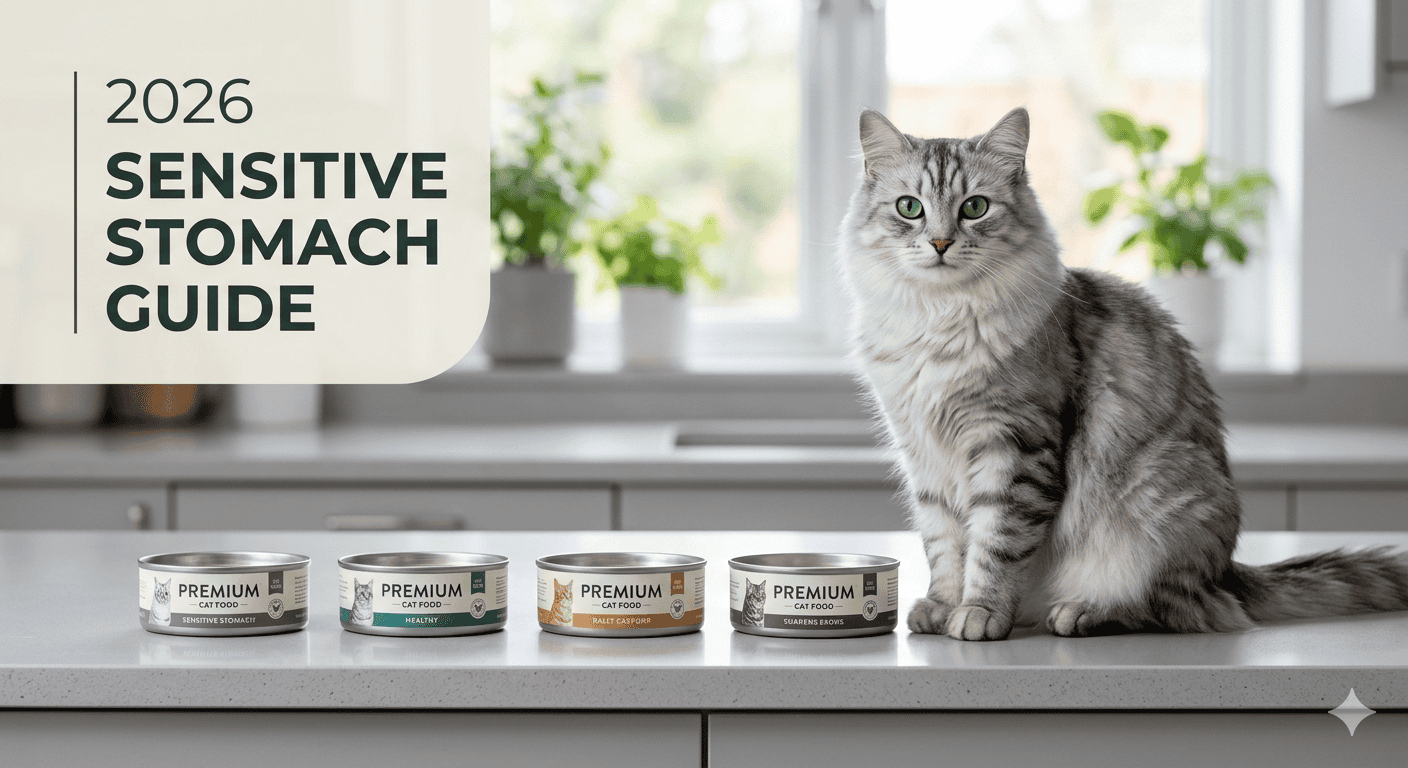
The 2026 Verdict: If your indoor cat is struggling with frequent vomiting or loose stools, the “sensitive stomach” solution isn’t just about removing grains—it’s about increasing protein bioavailability. For most cats, Smalls (Human-Grade Fresh) is the top choice for nutrient absorption, while Ziwi Peak (Venison) remains the gold standard for cats needing a novel protein to bypass common allergies.
The 2026 Problem: Indoor Cats vs. The Gut Microbiome
It’s an frustrating loop. Your indoor cat has access to the most sterile, parasite-free environment possible, yet they are still frequently vomiting, experiencing diarrhea, or turning away from their favorite food. If this sounds familiar, you have a “Indoor Dysbiosis” issue.
In 2026, we understand that indoor cats face unique metabolic hurdles. A lack of environmental enrichment (like hunting and varied textures) often leads to low-level chronic stress. This stress, combined with a sedentary lifestyle, compromises their digestive motility.
When we combine slow motility with feed-grade, high-carbohydrate kibble, the results are a digestive disaster.
The “Protein Bioavailability” Breakthrough
The biggest update in feline nutrition this year is our focus on “Protein Bioavailability” (BV).
For cats, which are obligate carnivores, bioavailability isn’t just about the percentage of protein; it’s about the biological source. Feed-grade chicken meal, heated under high pressure, has a low BV. Your cat’s sensitive stomach can’t break it down, causing it to ferment in the gut, leading to diarrhea or vomiting.
High-protein food works only if that protein is highly bioavailable—ideally raw, gently cooked fresh, or freeze-dried.
Top 8 Cat Foods for Indoor, Sensitive Cats (2026)
1. Smalls (Human-Grade Fresh): Best Overall for Bioavailability
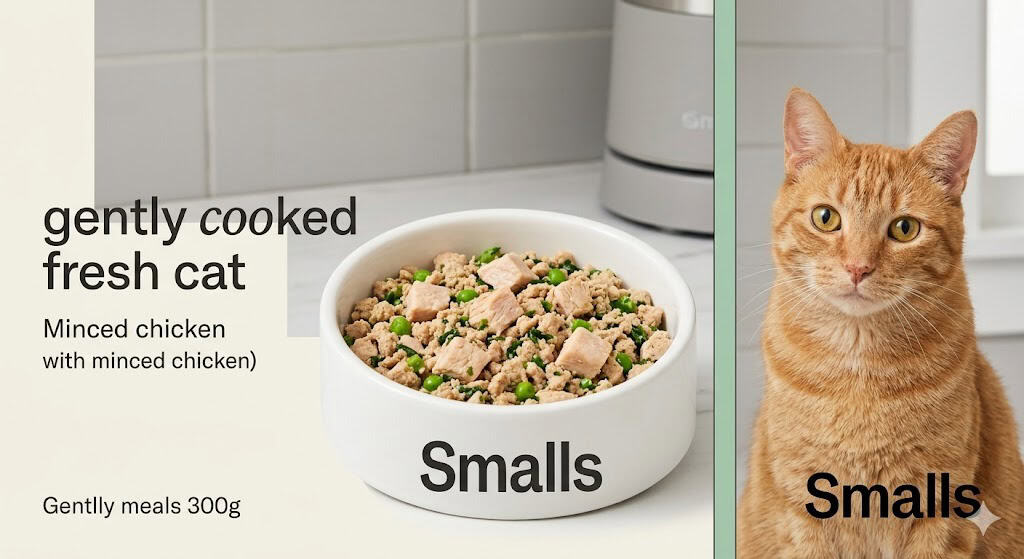
In 2026, Smalls is recognized as the best solution for the widest range of sensitive stomachs. Their “Human-Grade” promise isn’t just marketing; it ensures the protein source (chicken, turkey, or beef) is legally fit for human consumption and handled in FDA-regulated facilities.
- The Protein: Features gently cooked proteins with high BV.
- Why It Wins: Low-heat cooking maintains the moisture cats need for hydration while maximizing gut transit time. Because the nutrients are so bioavailable, you’ll also notice significantly less fecal waste and a less-odorous litter box—a massive benefit for indoor environments.
- Gut Health Booster: Small recipes typically include small amounts of pumpkin or organic kale to provide gentle prebiotics for microbiome health.
2. Ziwi Peak (Venison Recipe): Gold Standard for Novel Proteins
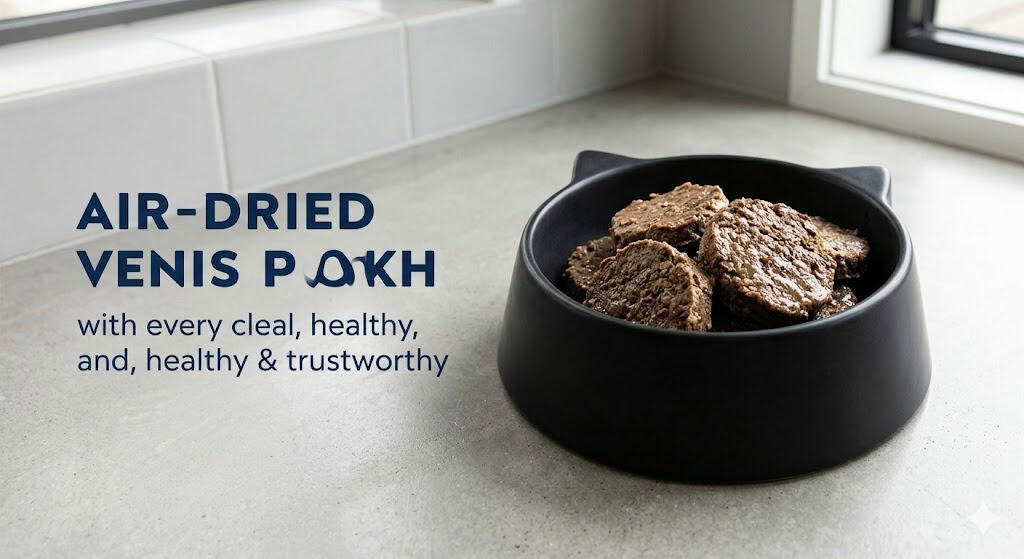
For the most severe sensitive stomach cases, where cats are constantly rejecting standard chicken or beef, Ziwi Peak (specifically their Venison formulation) is the ultimate problem solver. It’s not kibble; it’s a gently air-dried food from New Zealand.
- The Protein: 96% single-source venison, including the highly bioavailable meat, organs, and bone. Venison is a “novel protein,” meaning most cats have never been exposed to it, making an allergic reaction unlikely.
- Why It Wins: It offers the high protein concentration of kibble but is processed without high heat. Instead of inflammatory carbs like corn or soy, they use New Zealand Green Mussel for natural glucosamine and Kelb as a source of essential minerals and iodine.
3. Stella & Chewy’s (Freeze-Dried Raw Dinner Morsels): Best for Enzyme Retention
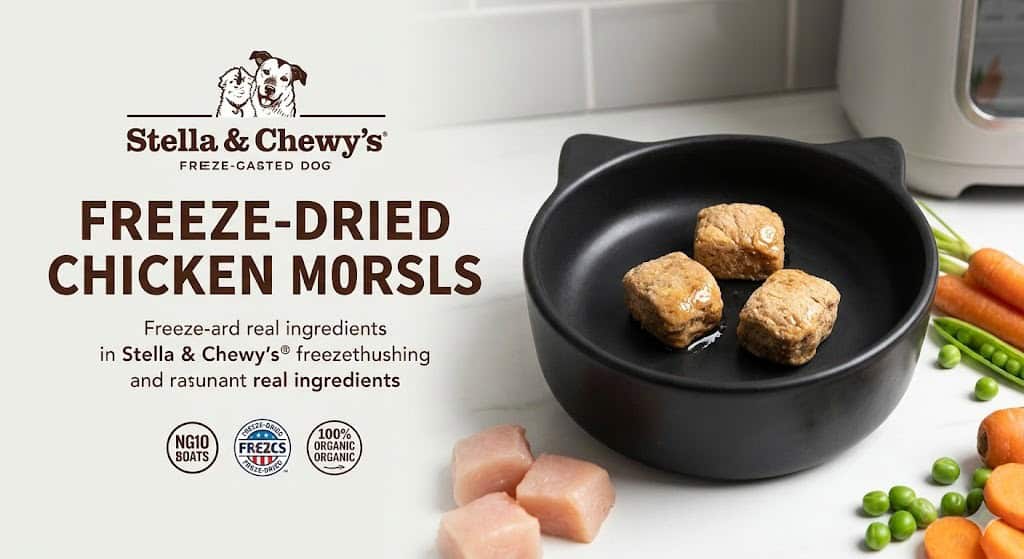
The “freeze-dried raw” trend has peaked in 2026 for a simple reason: It retains digestive enzymes. Enzymes are essential for obligate carnivores, but they are completely destroyed in traditional kibble cooking. Stella & Chewy’s offers the safest way to provide raw nutrition without the risk of handling raw meat.
- The Protein: 98% meat, organs, and bone, sourced from USDA-inspected processors.
- Why It Wins: You must rehydrate these morsels before serving. This added water is crucial for avoiding kidney issues in indoor cats, while the retained raw enzymes actively help your cat’s sensitive stomach break down the protein, significantly reducing the digestive load.
4. Feline Natural (Chicken & Lamb Feast): Best for Hydration
Some sensitive stomachs are triggered not by the ingredient, but by the texture. If your cat vomits dry food, they often do much better on high-moisture diets like Feline Natural from New Zealand.
- The Protein: Over 90% meat, organs, and bone (Chicken and Lamb).
- Why It Wins: This is a canned wet food with zero gelling agents, gums, or thickeners (common sensitivity triggers). By replacing low-grade fillers with pure meat juices and New Zealand Green Mussel, it maximizes bioavailability and provides the exact texture obligate carnivores crave.
5. Nulo Freestyle (Indoor Duck & Lentils): Best “Kibble” Alternative
If you must feed dry kibble (for convenience or budget), Nulo Freestyle Indoor Duck & Lentils is the best compromise choice for sensitive systems in 2026.
- The Protein: Featuring real duck as the first ingredient, Nulo avoids the cheap “chicken meal” used by other kibble brands.
- Why It Wins: The key innovation in Nulo is the inclusion of their patented GanedenBC30 probiotic. This strain is uniquely hardy and survives the extrusion cooking process to actively support gut health, making it much more effective at stabilizing a sensitive stomach than standard, “dead” probiotic additives found in most dry foods.
6. Wellness Core (Digestive Health Chicken & Turkey): Best Budget-Friendly LID
For budget-conscious pet parents, Wellness Core Digestive Health offers the most reliable compromise. It’s a specialized recipe built specifically for digestive optimization.
- The Protein: Chicken and Turkey based, avoiding common allergens like beef and fish.
- Why It Wins: Wellness utilizes a complex blend of prebiotic fibers (like pumpkin and papaya) and probiotics. This fiber blend actively regulates motility and supports the existing microbiome, while the Limited Ingredient Diet (LID) approach minimizes the chance of a severe reaction.
7. Instinct (Limited Ingredient Diet – Grain-Free Turkey): Simplest Formulation
Instinct wins with simplicity. In a market flooded with complex superfood blends, their Turkey recipe is famously stripped down to the bare essentials.
- The Protein: One single protein (Turkey) and one vegetable (peas).
- Why It Wins: When navigating severe allergies, the fewer ingredients, the safer. By using simple, easily-traceable whole food ingredients and avoiding common thickeners and gums, Instinct creates a clean formula that is highly tolerated by even the most sensitive indoor cats.
8. Royal Canin (Digestive Care Wet): Best “Emergency Solution”
When a cat is actively in a severe vomiting or diarrhea cycle, bioavailability doesn’t matter as much as immediate soothing. Royal Canin Digestive Care is frequently cited in 2026 for stabilization.
- The Protein: Utilizes highly digestible, hydrolyzed proteins. Hydrolysis breaks the protein down into amino acids that are too small to trigger an allergic response.
- Why It Wins: It isn’t a long-term solution (due to lower quality “filler” ingredients like pork by-products), but the highly digestible formula absorbs water and immediately firms up stools or stops vomiting, allowing the gut to rest and recover.
FAQs
How long does it take for a sensitive stomach cat food to work?
You will usually see a 50% improvement within 48 to 72 hours of switching to a high-protein fresh or freeze-dried food. However, it takes a full 6 weeks of consistent feeding to heal the chronic gut inflammation and see the complete benefits, including skin and coat repair.
Is high-protein food good for cats that throw up?
Yes, if that protein is bioavailable. Low-quality, high-carb kibble is often the cause of vomiting. Cats vomit dry food because they can’t break it down, causing it to ferment in the gut. Switching to a protein they can easily absorb (like those from Smalls or Stella & Chewy’s) eliminates this inflammatory trigger.
What is the best protein for a cat with a sensitive stomach?
Novel proteins like Venison, Duck, or Turkey are generally better tolerated than standard Chicken, Beef, or Fish (the most common feline allergens). Single-source proteins are always the safest bet when navigating potential food allergies.
How do I switch my cat to sensitive stomach food without causing diarrhea?
You must switch slowly over 10 days. Start with 90% old food mixed with 10% new food. Every few days, increase the new food portion and decrease the old food portion. This slow transition is essential for avoiding digestive upset and stabilizing the microbiome.